
What does AI really cost?
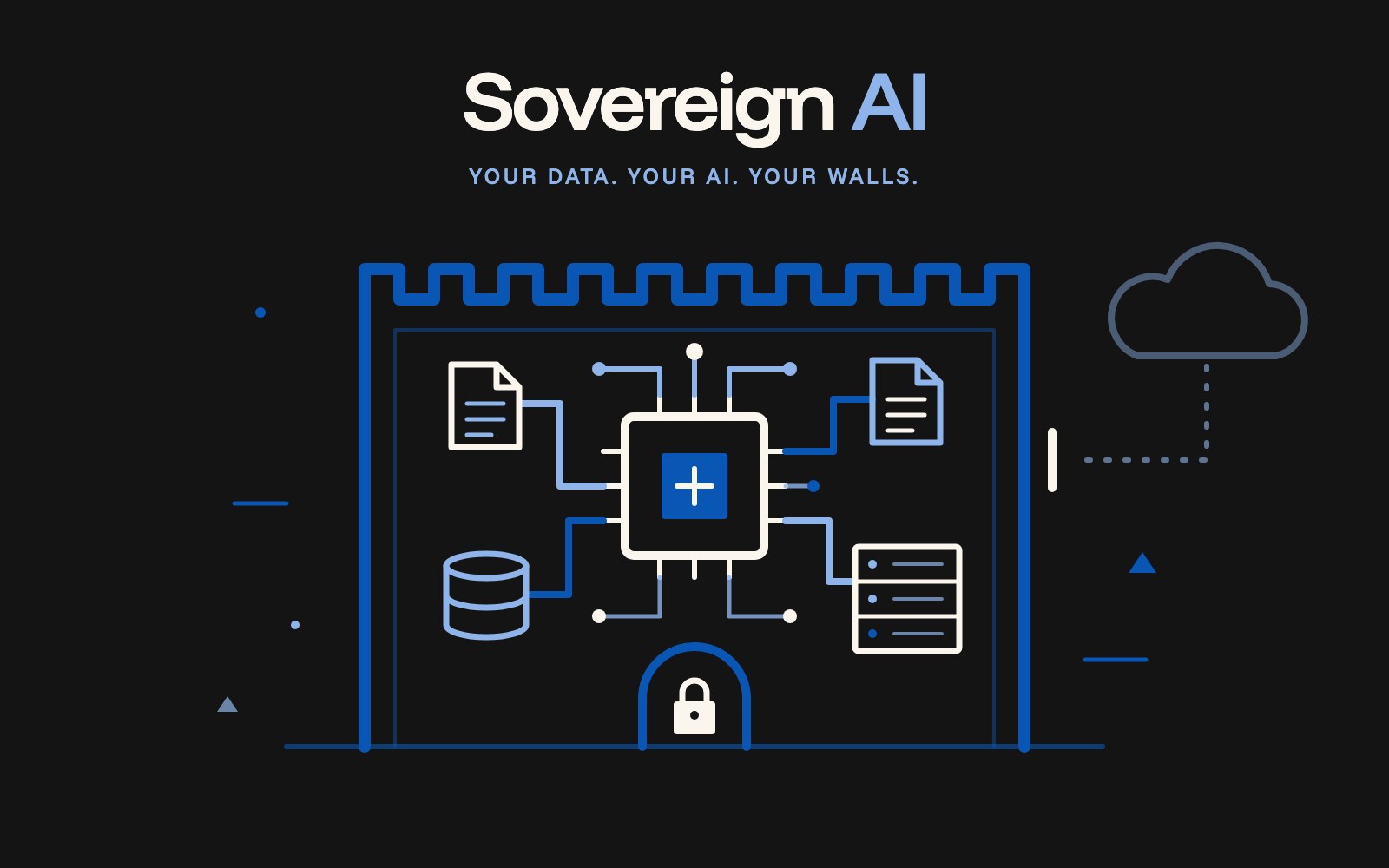
That is a question that companies all over the world have been asking themselves for the last few years. Chief Financial Officers and executives most likely worry about token, API, implementation, and enterprise plan costs, but the real question lies much deeper than that.
With each prompt or message you send to a frontier model through an AI lab's own agent harness, you are sending that lab a piece of your data. In July 2026, Alex Karp, the CEO of Palantir Technologies, explained on CNBC that companies want control over their data and their alpha, the proprietary edge they would otherwise be sending to these AI companies. In that sense, if the true cost of AI is much more than what appears on an invoice, then the question of whether or not AI is worth implementing in a company takes on a whole different meaning. At the end of the day, these big AI labs want your data.
According to Greg Isenberg, data brokers are making $2M a week sending data to AI labs. Data has replaced software as the most valuable component in the tech world. Software can be generated by AI in a matter of minutes, but real data cannot.
What does the term “sovereign AI” mean, and how can it be achieved?
McKinsey & Company explains, “We define sovereign AI as the ability of a country or an organization to build, run, and govern AI in a way that aligns with its own set of rules, security needs, and values.” Running and governing how AI and LLMs work inside your own systems is the only way that the true cost of AI can be lowered.
In today's world, privacy is too often traded for convenience. It is difficult to develop and maintain a custom AI system. It is difficult to say no to large agentic harnesses with so many convenient features. It is difficult to protect what your company has worked so hard to gather and learn over years and years of serving a particular segment of the market. So why give it up now? For convenience and ease? Custom AI systems aren't fun to pay for, but neither was custom software back in the day. Custom AI can do more now than it ever could before, so it only makes sense to build it out according to what your business needs.